A Beginner's Guide to Traditional Indonesian Dishes

Introduction: A Paradise of Flavors in the Archipelago

Indonesia is an archipelagic nation with more than 17,000 islands stretching from Sabang to Merauke. Beyond its breathtaking natural beauty, Indonesia is also home to an extraordinary culinary heritage. With more than 300 ethnic groups and diverse cultures, each region offers its own distinctive flavors, creating a culinary mosaic unlike any other in the world.

For beginners who want to explore Indonesian cuisine, this guide will introduce you to five iconic Indonesian dishes you simply must try, complete with their origins, flavor profiles, and tips on how to enjoy them.

Prepare your taste buds, your flavor adventure begins now!

1. Rendang — The King of Indonesian Cuisine

Origins & History

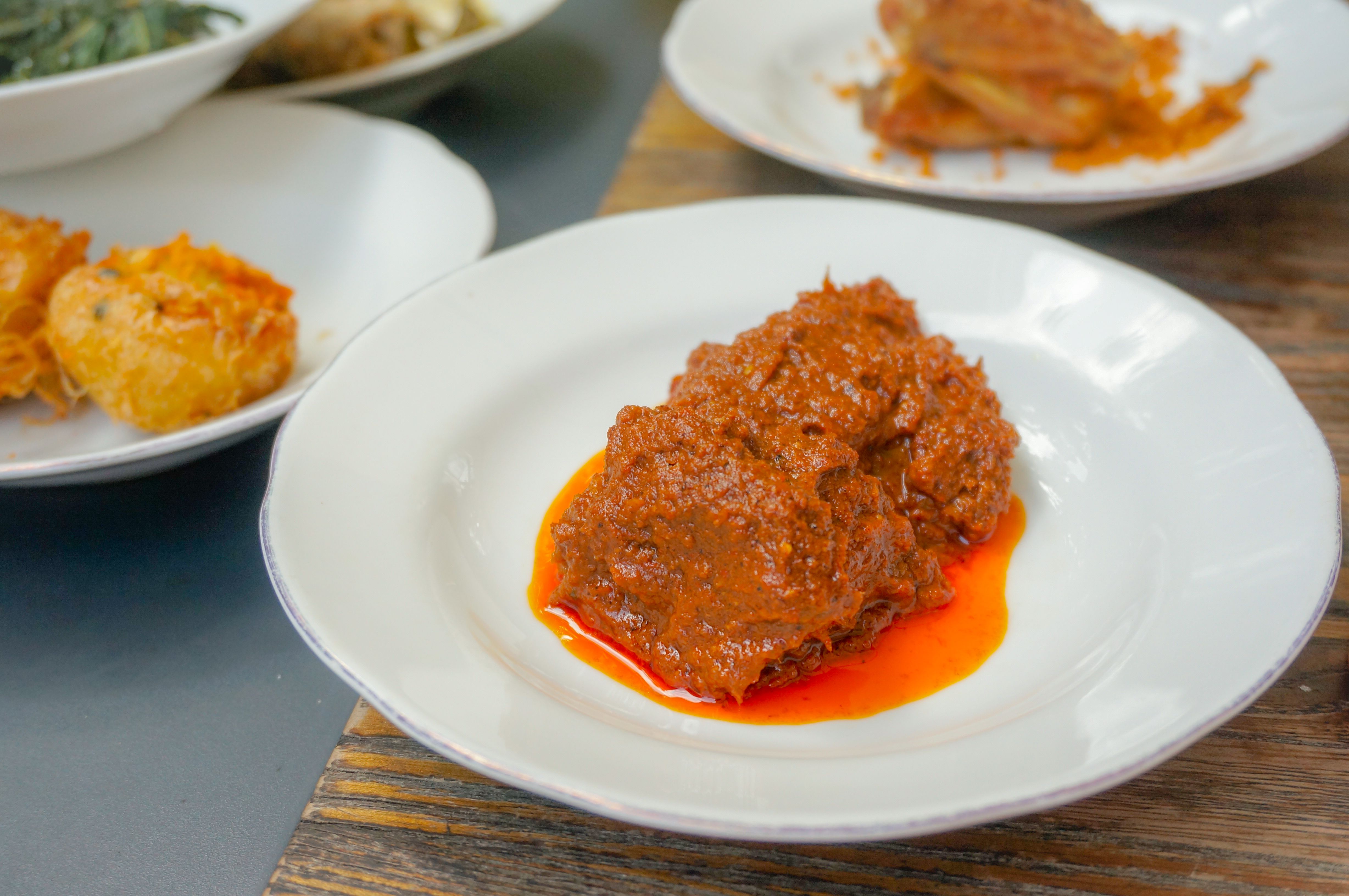
Rendang originates from the Minangkabau region of West Sumatra, Indonesia. This dish has existed since the 16th century and was originally prepared as provisions for travelers who needed food with a long shelf life. Its lengthy cooking process and rich coconut milk content allow rendang to last for weeks without refrigeration.
In 2017, CNN ranked Rendang #1 on its list of “The World’s 50 Best Foods”, a proud achievement for Indonesia.

Flavor Profile

  • Taste: Rich, savory, mildly spicy, and slightly sweet, with deep layers of flavor
  • Texture: Tender beef coated in dark brown, dry-spiced seasoning
  • Key Ingredients: Beef, coconut milk, lemongrass, galangal, chili, onions, and 10+ carefully selected spices
  • How to Enjoy Rendang

    Rendang is best enjoyed with warm white rice, cubadak vegetables, and Padang-style green sambal. It also tastes even better on the second day, once the spices have fully absorbed into the meat.

    2. Nasi Goreng — The Ultimate Comfort Food

    Origins & History

    Nasi goreng has been known in Indonesia for centuries, influenced by Chinese cooking traditions brought to the archipelago by traders. Its basic philosophy is simple, turning leftover rice into a delicious new dish, a smart and flavorful tradition of reducing food waste.

    Former U.S. President Barack Obama once mentioned nasi goreng as one of his favorite foods from his time living in Indonesia, a recognition that helped make the dish even more famous around the world.

    Flavor Profile

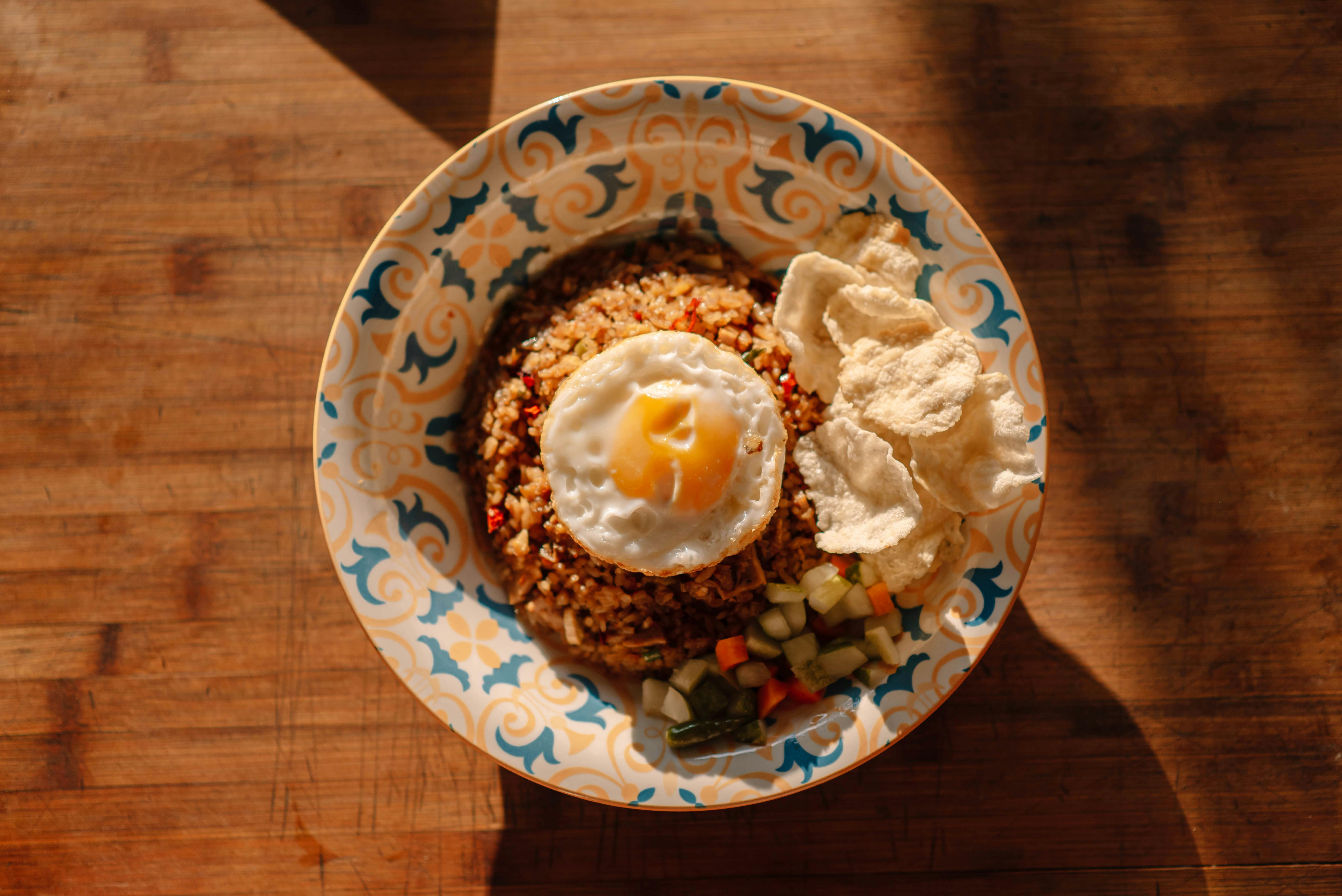
  • Taste: Savory, slightly sweet from sweet soy sauce, with a subtle smoky flavor from the hot wok (wok hei)
  • Texture: Separate, fluffy grains of rice that are not mushy, topped with crispy garnishes
  • Key Ingredients: White rice, sweet soy sauce, shallots, garlic, egg, and your choice of protein
  • How To Enjoy Nasi Goreng

    The secret to a great plate of nasi goreng is using cold rice, which helps keep the grains separate and prevents them from becoming sticky when stir-fried. It is best served with a fried egg, shrimp crackers, and fresh cucumber pickles, perfect for authentic Indonesian breakfast.

    3. Satay — Deliciousness on a Skewer

    Origin & History

    Satay is a skewered meat dish grilled over hot charcoal. The word “satay” is believed to have originated from the Tamil language, brought to Java by Indian traders. Indonesia later developed it into hundreds of unique variations, ranging from Madura Satay and Padang Satay to Balinese Lilit Satay and Maranggi Satay from West Java.

    Popular Satay Varieties In Indonesia

  • Madura Satay: Chicken or goat satay served with a thick peanut sauce and a touch of sweet soy sauce
  • Padang Satay: Beef tongue or offal satay served with a thick yellow curry-like sauce rich in spices
  • Balinese Lilit Satay: Minced meat mixed with grated coconut and wrapped around lemongrass stalks
  • Maranggi Satay: Beef or goat satay marinated with sweet soy sauce and aromatic spices
  • How To Enjoy Satay

    For the best experience, enjoy satay fresh from a street cart vendor who grills it over real charcoal. The smoky aroma from the hot coals gives it an authentic flavor that is hard to replicate. Serve it with lontong or rice, peanut sauce, and sliced raw shallots.

    4. Gado-Gado — Indonesian's Nutritious Salad

    Origin & History

    Gado-gado is a traditional Indonesian salad made with a mix of boiled vegetables, tofu, tempeh, eggs, and lontong, all topped with a rich and flavorful peanut sauce. The name “gado-gado” comes from the Betawi language and means “mixed” or “a mixture,” reflecting the variety of ingredients used in the dish.

    In 2018, gado-gado was officially recognized by the Indonesian government as one of the country’s five national dishes, alongside rendang, soto, satay, and nasi goreng.

    Flavor Profile

  • Taste: Savory and creamy from the peanut sauce, fresh from the vegetables, with a slight tang from lime juice
  • Texture: Crunchy (cucumber, bean sprouts), soft (potatoes, tofu), and chewy (lontong, tempeh)
  • Key Ingredients: Boiled vegetables, fried tofu, tempeh, boiled eggs, lontong, crackers, and peanut sauce
  • How To Enjoy Gado-Gado

    The secret to delicious gado-gado lies in its peanut sauce. Make sure it is made with roasted peanuts that are finely ground and blended with shrimp paste, palm sugar, and tamarind water.

    5. Soto — A Soul-Warming Spiced Soup

    Origin & History

    Soto is a traditional Indonesian soup known for its rich blend of aromatic spices. Each region has its own unique version of soto, making it one of the most diverse dishes in Indonesian cuisine. It is said that there are more than 75 varieties of soto found across the archipelago.

    Popular Types  of Soto

  • Lamongan Soto Ayam: A clear yellowish broth served with shredded chicken, marinated boiled eggs, and savory koya
  • Soto Betawi: A creamy coconut milk broth with beef, offal, and tomatoes
  • Coto Makassar: A rich peanut-based soup made with beef offal, originating from South Sulawesi
  • Soto Banjar: A light clear broth served with ketupat and free-range chicken eggs, from South Kalimantan
  • How To Enjoy Soto

    Soto is best enjoyed in the morning as a warm breakfast. Add a squeeze of lime juice for extra freshness, and do not forget to add chili sauce and sweet soy sauce to taste.

    Bonus: Tempeh — Indonesian's Original Superfood

    No discussion of Indonesian cuisine would be complete without mentioning tempeh, a fermented soybean food that is the only soy-based fermented product originally from Indonesia. Tempeh is globally recognized as a highly nutritious superfood and has become increasingly popular among vegetarians and vegans around the world.

    Fun fact: Tempeh has been nominated for UNESCO Intangible Cultural Heritage status as a cultural treasure originating from Indonesia, highlighting its importance in the culinary and cultural heritage of the archipelago.

    Conclusion: Start Your Culinary Journey!

    Indonesian cuisine is a reflection of the nation’s rich cultural heritage, full of diversity, flavor, and stories. From the spice-rich rendang to the fresh and nutritious gado-gado, each dish carries the unique identity of its region.

    As a beginner, you do not need to try everything all at once. Start with the dish that interests you the most, enjoy it slowly, and let its flavors tell the story.

    Enjoy your meal! "Savor the flavors of the Indonesian archipelago!"


    Comments

    Popular posts from this blog

    5 Popular Food Myths in Indonesian Debunker

      Food Myths in Indonesia: 5 Facts You Need to Knows How many times have you been told not to eat instant noodles because they supposedly cause cancer? Or maybe you’ve been warned to avoid MSG, even though it’s found in almost everything? If that sounds familiar, you’re definitely not alone. In Indonesian, food myths spread incredibly fast, sometimes even faster than scientific discoveries. Information often circulates by word of mouth, and nowadays, it spreads just as quickly through family WhatsApp groups filled with forwarded messages from unclear sources. In this article, we’ll explore 5 of the most common food myths in Indonesian and set the record straight with facts. Not to scare you, but to help you enjoy your food more calmly and not rely too much on questionable information. Let’s get started! 1. Myth: Instant Noodles Cause Cancer Photo by Curated Lifestyle on Unsplash This is probably one of the most well known food myths in Indonesia. Almost everyone has heard that ins...

    Battle of The Fried Chickens: Hotways vs Richeese, Who Does It Better?

    Photo by tkpond / iStock When it comes to spicy fried chicken in Indonesia, two names instantly come to mind: Hotways and Richeese Factory. Both have loyal fanbases, long queues, and of course, addictive chicken. But if you had to choose one, which comes out on top? In this article, we will break them down from every angle, from brand history and menu variety to spice levels and price comparison. Get yourself ready and maybe some tissues. SECTION  01 Brand Introduction Photo by Lovina / Google Hotways An Indonesian spicy fried chicken brand inspired by American style hot chicken. Known for its crispy chicken coated in a signature spicy seasoning, with customizable heat levels. It is typically served with rice, scrambled eggs, and crispy spinach as its signature plating. Highly popular among teenagers for its casual and Instagrammable concept. Photo by Novia Nurdwijayanti / Google Richeese Factory An Indonesian fast food restaurant brand under Kaldu Sari Nabati. Its main identity is...